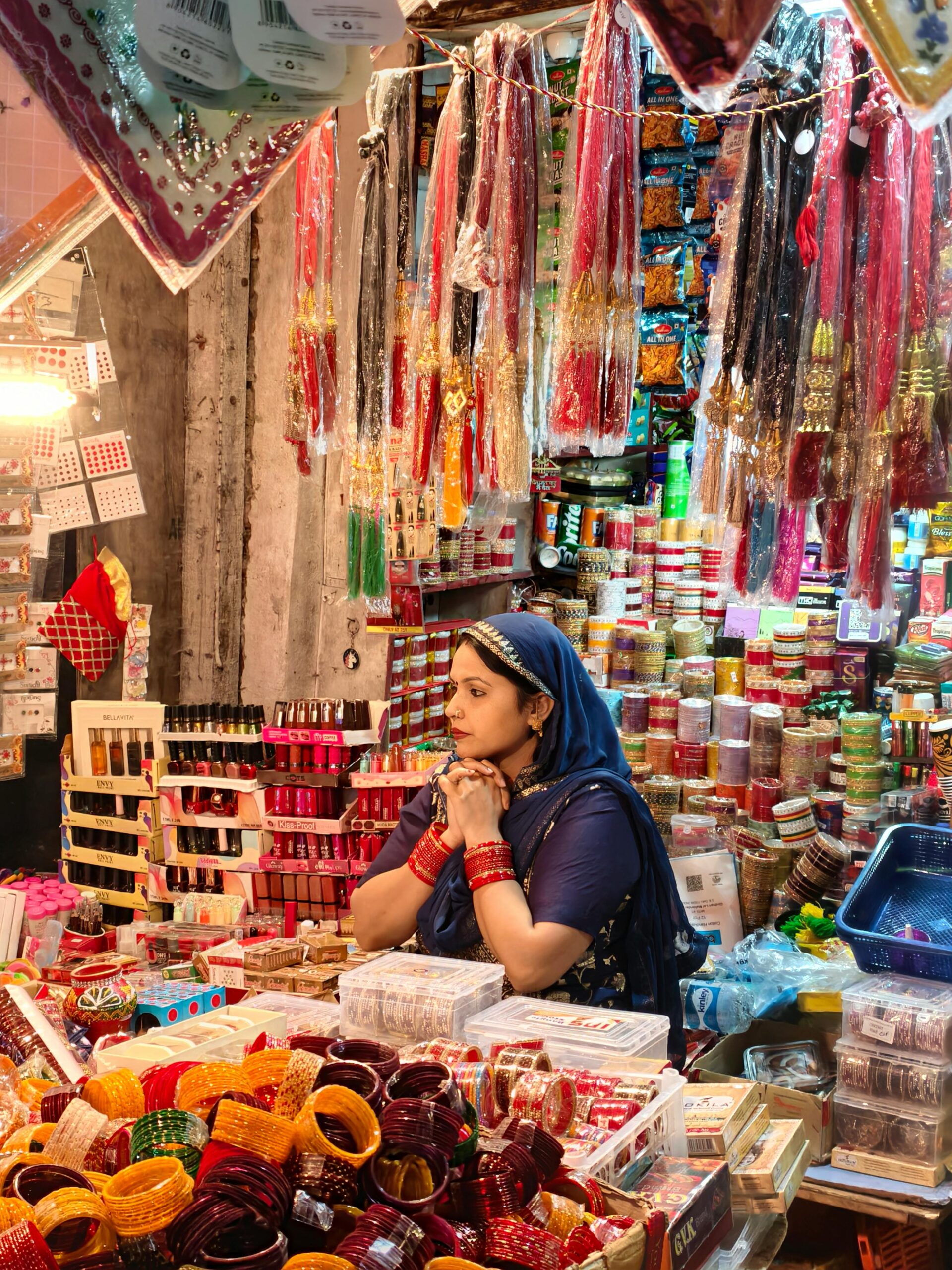
The Hidden Economy: Lessons from 40 Street Vendors in Guwahati
A case study on – “Guwahati City’s Street Vendors, understanding the Hidden Economy”
Global Human Rights Protection Forum (GHRPF) –
It is a Non-Governmental, social and Non Political Organization which advocates for human rights related issues in India.
This case study was done by Boris Gogoi State HRD Department in Charge as the Lead Researcher/Editor and Geeta Chetri , National Vice President of GHRPF as Field Adviser, under the guidance of Founder cum Chairman of GHRPF – Mahananda Sarkar Dutta, in Guwahati City, Assam, India from the month of September to October 2024.
Abstract –
This case study explores the experiences and challenges of unregistered street vendors of Guwahati city. Using a qualitative research approach, semi-structured interviews were conducted with 40 vendors and observational studies were undertaken. Findings reveal significant challenges in accessing formal markets, lack of social security, and limited financial inclusion. The study concludes that policy interventions are necessary to support these vendors. Recommendations include simplified registration processes, designated vending zones, and microfinance initiatives.
Acknowledgements –
This case study was conducted without external funding or assistance.
I, Boris Gogoi, the lead researcher would like to extend my heartfelt gratitude to Geeta Chetri for her invaluable advice and assistance throughout this case study. I also appreciate the valuable inputs and guidance provided by Mahananda Sarkar Dutta whenever required.
Contents –
- Introduction
- Conceptual Framework
- Literature Review
- Methodology
- Results
- Conclusion
- References
- Appendices
Introduction–
Guwahati City, the economic hub of North East India, has witnessed significant economic growth in recent years, with a GDP (2020-21) of USD 5.8 billion and GDP Per Capita (2020-210 USD 5,800. However these figures, overlooks the substantial contributions of unregistered street vendors, who operate outside the formal economy.
Unregistered street vendors, though invisible in official records, play a vital role in Guwahati City’s economic growth, generating substantial employment, income, and economic activity that have gone unrecognized thus so far.
This case study explores the experiences and challenges of unregistered street vendors in Guwahati City, shedding light on the informal economy’s role in the city’s growth.
Research Questions –
- Primary Research Questions –
- What motivates unregistered street vendors to operate in Guwahati City, despite the lack of formal recognition?
- How do unregistered street vendors contribute to the informal economy in Guwahati City?
- What are the significant challenges faced by unregistered street vendors in Guwahati City?
- Secondary Research Questions –
- How secure do street vendors feel about their business?
- How do street vendors see the growth of Guwahati city, in terms of their business activities?
- How do street vendors access financial services?
- Do they have any backup plan or support system incase their business comes to a halt?
- Interview Questions –
- Can you describe your experience as an unregistered street vendor in Guwahati city?
- How did you start your street vending business?
- What are the main challenges you face daily?
- How do you manage competition from other vendors or formal businesses?
- Have you encountered any regulatory issues or harassment from authorities?
- How do you access credit or financial services for your business?
- Do you think the city’s economic growth has positively or negatively impacted your business?
- How do you perceive your role in the city’s economy and society?
Conceptual Framework-
Definitions –
- Informal Economy – Economic activities which are unregistered by the government.
- Street Vendors – Self-employed individuals selling goods/services in public spaces.
- Unregistered Street Vendors – Street vendors without official licences or registration.
Theoretical Perspectives –
- Economic – Street vendors contribute to urban employment, income generation, and economic growth.
- Sociological – Street vendors experiences reflect urban poverty, inequality, and social exclusion.
Literature Review
Dr. Kughatoli V. Aye and Barnali Sarma (2022)
“Street vending and urban public space : A study of street vendors in Beltola Market, Guwahati”
Findings : Beltola Market, Guwahati has Vendors from mainly rural areas, a few locals. They also studied the demographic profile of the vendors (Religion, Caste, Gender etc.). Their struggles – like lack of toilet facilities for women in the area. Space problems, hygiene code not followed by all street vendors and high tax collections from many by tax collectors of the market area. They also checked if they have bank accounts, ration cards, if they availed PMAYG of Government of India.
Darshini Mahadevia, Aseem Mishra, Yogi Joseph, Arup Das
“Street Vending of Guwahati : Experiences of Conflict”
Findings : They did a study on Street Vendings of Guwahati City’s Beltola and Ullubari market. From their findings they tried to find the place of origin of the vendors, commodities sold by the vendors, gender, religion, ethnicity, age, family size, time spent, work days, their mode of transportations to reach market, break up of source commodities sold by the vendors, their income and expenditure etc.
They also found that space is a big issue in a market place like Beltola, where the vendors fight to get a space with other vendors. Again in Ulubari they found issues with permanent and non permanent vendors over space issues. They also highlighted the lack of toilet facilities for the vendors and the issues and difficulties that arises due to it.
Sangeeta Das : Department of Management, Assam Down Town University, India
“A Study on the Business Practices of Street Food Vendors in Guwahati City”
Through her case study she found that most of the street vendors are male and sale fast food in the city. She also found that none of the street vendors she interviewed were aware about any government schemes for them. The earning is decent and that they have entered due to lack of opportunities in the formal market for them. Her study also focused on the mobile vendors of the city which has resulted in success due to their innovative idea to sale food in a van. While some problem remains like, police harassment, situations like covid-19, bandh or strike, weather conditions like flash flood in Guwahati, widening road projects etc.
Ramanath Jha : Observer Research Foundation
“Strengthening urban India’s informal economy: The case of street vending”
Through his case study, Mr. Jha has highlighted that until the passage of the Street Vendors Act in 2014, Street Vending was illegal in urban India. Despite the act, there remains many hurdles for street businesses in India. He stated that street vending must become an organized and a planned activity. He further emphasized on changes in Urban Planning laws such as more accommodating policies towards street vendors.
Methodology –
This case study of ours on Guwahati city street vendors employed a mixed-methods approach, combining primary and secondary data collection methods.
Primary Data Collection –
To gather firsthand information, we conducted:
- In-depth interviews: We interviewed 40 street vendors from diverse localities in Guwahati, exploring their experiences, challenges and perceptions.
- Key informant interviews: We consulted knowledgeable locals to gain insights in to street business dynamics, government rules and regulations, and community perspectives.
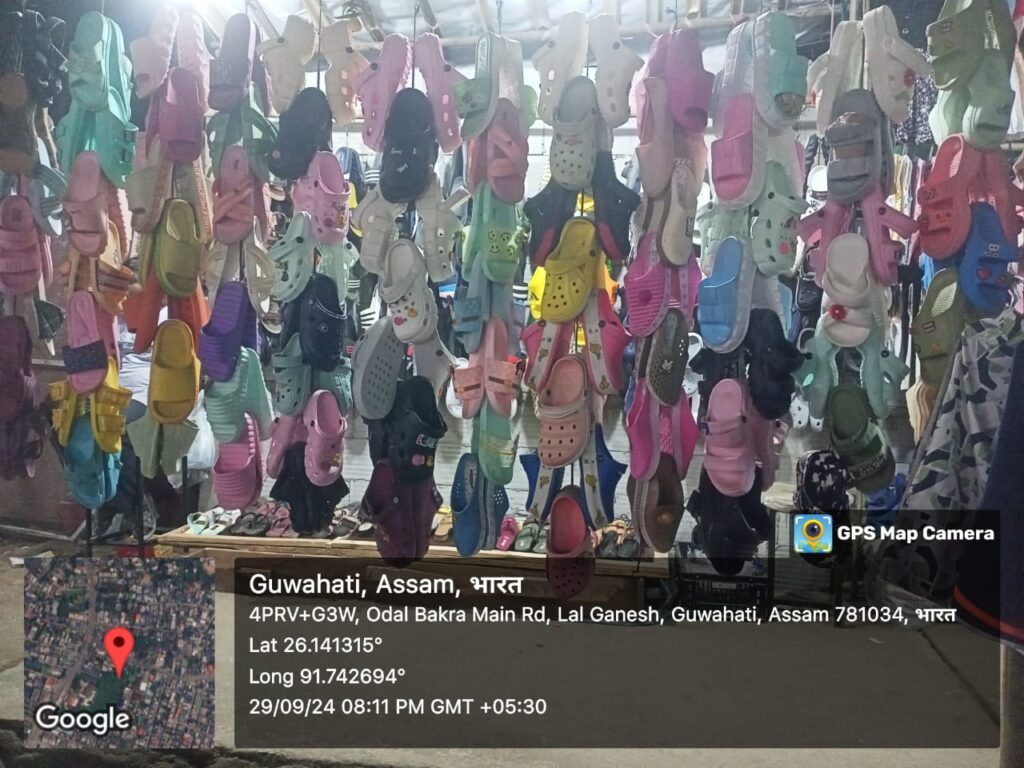
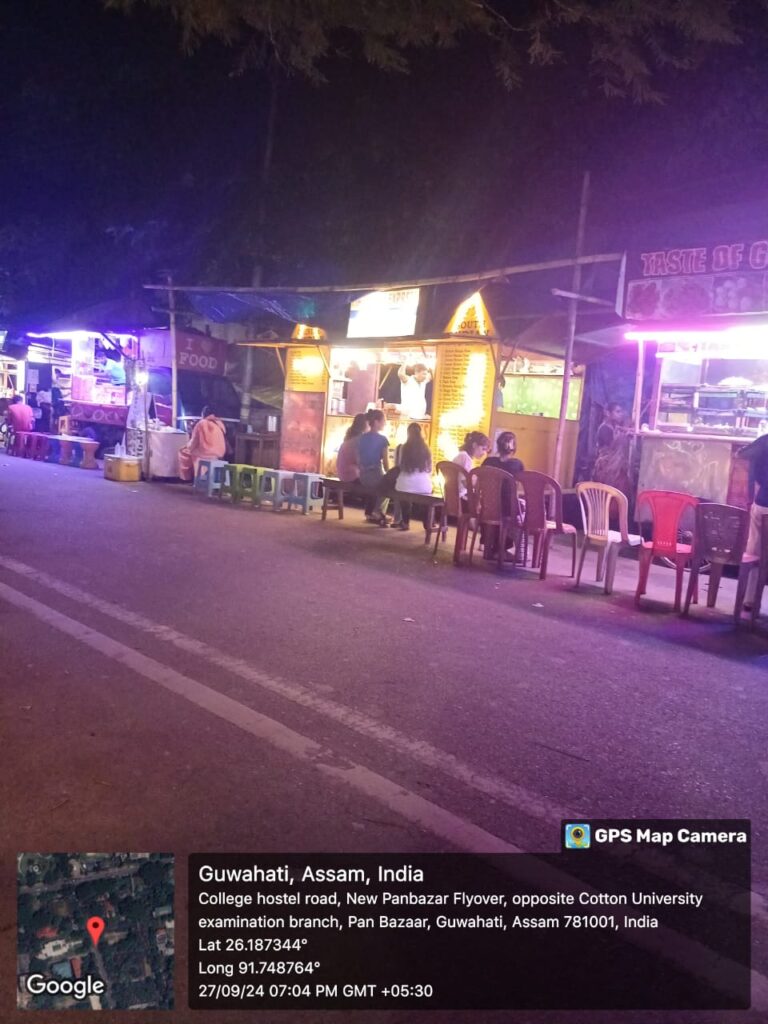
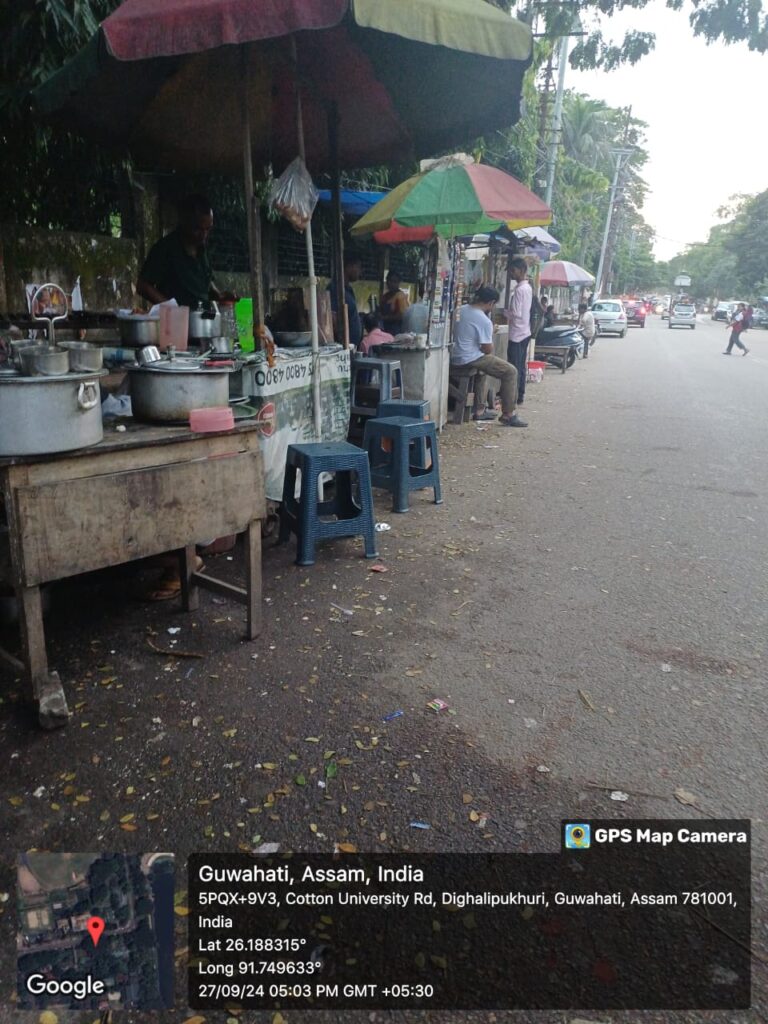
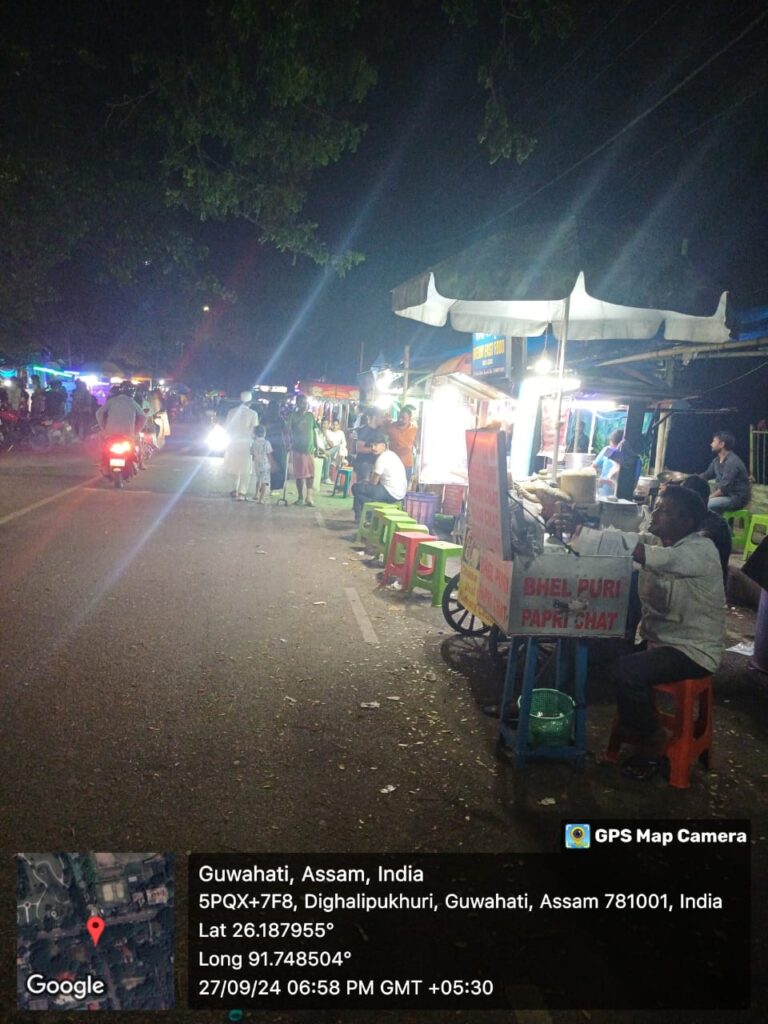
- Observations and photography: We documented street vending activities through photographs, capturing the physical environment and operational aspects.
Secondary Data Collection –
To supplement primary data, we:
- Conducted literature reviews: We analyzed previous case studies and research papers on street vending to contextualize our findings.
- Internet research: We utilized online resources to gather relevant data, statistics, and information on street vending business, government policies, and best practices.
Results –
Our research team conducted interview with 40 street vendors of Guwahati City, gathering first hand information on their demographic profile, economic activities, operational challenges, social interactions and others.
We conducted our interviews in three strategic locations: Ulubari, Dighalipukhuri and Lal Ganesh which are hubs for street vending activities in Guwahati city. These locations allowed us to capture diverse vendor experiences, interactions, and business practices. Though initially we were planning to interview more vendors but due to their hesitation, time constraints and limited financial resources, we had to adjust our sample size, resulting in 40 successful interviews within 4 days.
Demographic Characteristics
The demographic profile of the interviewed vendors reveals:
- Age: 30-60 years, with a majority in their 40’s and 50’s
- Marital status: All married with families
- Ethnicity: Predominantly Assamese, with some vendors from other states Bihar and Uttar Pradesh. Some Nepalese were there too
- Religion: Mostly Hindus
- Gender: 90% Male and 10% female
Business Characteristics
Key findings regarding their business practices include:
- Average profit: INR 15,000-30,000 per month
- No licenses required to operate
- Flexibility in setting up business locations
- Weekly money needed to pay to local influencers to run their business
Operational Challenges
Vendors face challenges such as:
- Unorganized street vending system
- Lack of government-alloted areas
- Risk of displacement if absent
- High Extortion.
Hygiene and Environmental Concerns:
Observations Highlight:
- Poor maintenance of business areas
- Lack of basic hygiene among food vendors
- Unsanitary food handling practices
Motivations for Street Vending
Vendors cited:
- Lack of education or unfinished or poor education
- Limited job opportunities
- No hope for government or good private employment
- Survival through street business as the ultimate resort
Additional findings –
Government IDs and Bank Accounts:
All 40 Interviewed street vendors possess essential government IDs like Voter ID, PAN, Aadhaar and Ration Cards, indicating their awareness of the importance of documentation.
Orunudoi Monthly Assistance:
A few women vendors receive this assistance, whie the majority do not. Some men’s wives also receive this benefit, but overall, the majority do not.
Ayushman Health Card Scheme:
All vendors are covered under this scheme, launched by the Assam Government/Indian Government.
Social Security Schemes:
Approximately 60% of the vendors have been enrolled in Atal Pension Yojana and Atal Suraksha Bima Yojana, while the rest have not.
Digital Transactions/Via QR Code:
All the vendors had their own QR code. They prefer cash over digital payment as they remain busy throughout the day and need cash to carry out daily business transcactions.
Financial Literacy:
Despite low formal education, street vendors demonstrate street smarts, financial astuteness and awareness of government schemes
These findings offer a nuanced understanding of the lives and challenges of street vendor in Guwahati, revealing their remarkable resilience, resourcefulness, and awareness of government initiatives. Despite navigating various daily challenges, these vendors demonstrate adaptability and determination, underscoring the need for supportive policies and programs to enhance their livelihoods.
Given the study’s limitations, future research should investigate the impact of government policies on street vendors, focusing on strategies to integrate them in to the organized business sector. Key areas to explore include:
- Effective policy frameworks to formalize street vending.
- Inclusive urban planning to allocate designated vending zones.
- Hygiene and sanitation standards for food and non-food vendors.
- Measures to maintain orderliness and pedestrian accessibility.
- Solution to alleviate road congestion and parking challenges.
By addressing these concerns, future studies can contribute to:
- Enhancing street vendors economic stability and social wellbeing.
- Promoting sustainable urban development and public spaces.
- Fostering collaboration between government, private sector and street vendors
Conclusion –
This case study explored the lives and experiences of street vendors in Guwahati, shedding light on their socio-economic conditions, challenges and contributions to the city’s economy and culture.
Through in-depth interviews with 40 street vendors, this research provided a nuanced understanding of their struggles and aspirations.
The study’s findings underscore the need for policy reforms and support mechanisms to improve the lives of vendors.
The research highlights the significance of street vendors in Guwahati’s urban landscape, contributing to the city’s cultural identity and economic vitality.
Recommendations –
- Regular surveys should be conducted to monitor street vendor demographic needs.
- Basic infrastructure like – water, toilette, electricity should be provided.
- Training programs can be provided to vendors on business management, hygiene and customer service.
- They should be brought in to the organized market fold by the government, by issuing them proper licenses to carry out their vending businesses. Their businesses should be legitimized.
- A grievance redressal mechanism for vendors should be developed.
Final Thoughts –
As we conclude this case study, we are reminded that the street vendors of Guwahati are not just entrepreneurs, but community builders, weaving the fabric of the city’s cultural identity. In the words of Robert Neuwirth, “Street Vendors are not just entrepreneurs, they are also community builders.”
Their resilience in the face of adversity is a testament to the power of the human spirit. As Nelson Mandela once said, “overcoming poverty is not a gesture of charity, it is an act of justice.” These vendors, despite struggling to make ends meet, continue to provide for their families and contribute to the city’s economy.
However, their struggles also highlight the need for inclusive urban planning and policy reforms. As Aristotle noted, “Poverty is the parent of revolution and crime.” By recognizing the value of street vendors and providing them with support and resources, we can create a more equitable society.
In Guwahati, the street vending business is not just a means of survival; it is asymbol of hope and determination. As Eleanor Roosevelt said, “The future belongs to those who believe in the beauty of their dreams.” By empowering these vendors, we can unlock their potential and create a brighter future for generations to come.
Ultimately, this case study humanizes the experiences of Guwahati’s street vendors, emphasizing their dignity, resilience and contributions. As Mahatma Gandhi said, “The best way to find yourself is in the service of others.” By serving these vendors, we serve the city itself.
Let us strive to create an environment where street vendors can thrive, and their beauty, resilience, and determination can flourish.
References –
Dr. Kughatoli V. Aye and Barnali Sarma (2022)
Darshini Mahadevia, Aseem Mishra, Yogi Joseph, Arup Das
Sangeeta Das : Department of Management, Assam Down Town University, India
Ramanath Jha : Observer Research Foundation
Neuwirth, R. (2005). Shadow Cities.
Mandela, N. (2008). Conversations with Myself
Aristotle. (350 BCE). Politics.
Roosevelt, E. (1960). You Learn by Living.
Gandhi, M. (1927). The Story of My Experiments With Truth
Appendices –