1.The Social Contract is Transactional | Policies & Us
Decoding the Urban Deal: When the Cost of Living Outpaces the Value of Opportunity.
At the moment, the Social Contract in Delhi looks shaky. The city’s historic rise was fueled by a simple promise: a low cost of living, high profitability, and the “pride of being a Delhiite.” But when the cost of existence begins to gallop, eating into the very profits that drew people here, the transactional nature of the city is exposed.
The “Mumbai” vs. “Delhi” Paradox
Delhi is not Mumbai. In Mumbai, the physical proximity of slums to elite high-rises—though often criticized—allows the poor to flourish alongside the rich. It minimizes the “commute tax” and integrates the labor class into the economic fabric.
Delhi, conversely, is increasingly hostile to its own foundation. By “cleaning” the city of slums and informal settlements without providing subsidized alternatives, the government is breaking the service chain. Unlike native-heavy states where people stay because of ancestral roots, Delhi’s population is mobile. If the “Delhi Deal” no longer makes financial sense, they won’t just stay and struggle—they will migrate back or move on.
The Domino Effect of Exclusion
The current “corporate-led” governance model prioritizes beautification over municipal hygiene and survival subsidies. This triggers a dangerous three-step domino effect:
- The Poor are Hit First: Basti demolitions and rising utility costs force the manual labor class to exit.
- The Middle Class Suffers Next: As the poor vanish, the middle class loses access to affordable domestic help, affordable transport, and local services. Their “profitability” as city residents drops.
- The Elite Ghost City: Finally, the very rich—who pushed for the “ousting” of the poor in the name of development—find themselves in a hollowed-out capital. Property values stagnate because there is no labor to serve the enclaves and no consumption demand to fuel the businesses.
Conclusion: The Sustainability Gap
Can a city of elites survive without its service class? The answer is a resounding no. We often hate the sight of slums, but by removing the “poor,” we remove the city’s hands and feet.
If Delhi continues to join the price ranks of South Mumbai without the social safety nets or the geographic integration that Mumbai provides, its Social Contract will collapse. Before the “Global City” image is finalized, the city may realize too late that it has priced out the very people who built its prosperity.
Section 2: Data, Facts, and the Structural Shift
To understand why the Social Contract is failing, we must look at the hard data defining Delhi’s demographic and economic transition in 2026.
1. The Migration Shift: Past vs. Present
- Historically, migration accounted for nearly 40% of Delhi’s annual population growth, with people moving primarily for low-barrier economic opportunities.
- In the early 2000s, the “pull factor” of Delhi was a 2.4% intent to migrate (people planning to leave), indicating high resident satisfaction and stability.
- By 2024–2026, the intent to leave the city has surged to 8.8%, a nearly four-fold increase in residents actively seeking an exit strategy.
- The annual population growth rate of the Delhi Metro area has slowed from 2.73% in 2023 to an estimated 2.46% in 2026, signaling a cooling of the “Migrant Dream.”
- While Delhi remains the most populous city in India at 35.5 million people, the nature of migration has shifted from long-term settlement to “temporary transactional” stays.
- Domestic migration from states like UP, Bihar, and West Bengal is being met with a new “reverse migration” trend as the cost-to-income ratio becomes unfavorable.
2. The Labor Crisis and “Intent to Leave”
- A significant 73% of survey respondents in 2026 flagged the collapse of public infrastructure—specifically healthcare overcrowding—as a primary reason for reconsidering their stay in the capital.
- The “Service-Class Paradox” is highlighted by the fact that while 96% of institutional deliveries are now recorded, the cost of post-natal care and basic survival for a family of four in Delhi has risen by 15–20% since 2024.
- Youth in Delhi now prioritize “neighborhood safety and cleanliness” over simple “job availability,” yet the current beautification drives often result in the removal of the very services (street food, affordable repair shops) they rely on.
- Mass labor exits in early 2026 were fueled by the Delhi Shops and Establishments (Amendment) Act, which raised the applicability threshold to 20+ employees, leaving workers in smaller units without statutory protections.
- The revised labor laws now permit 10-hour workdays and 60-hour workweeks, increasing the “burnout” rate for the unorganized sector without a proportional increase in disposable income.
- Minimum wages for unskilled workers in Delhi reached ₹18,456 per month in 2026, yet the average rent for a single room in semi-peripheral areas has crossed ₹8,000, leaving little for food and savings.
3. Government Policy and Its Impact (The Record)
- Sub-Inflationary Spending: The 2026–27 Union Budget allocated ₹1.25 lakh crore for employment guarantees, but nearly ₹30,000 crore of this was reserved for old wage arrears, effectively reducing current spending power.
- The “Commute Tax”: As basti demolitions push the labor class to peripheries like Narela, workers face a hidden tax of 2–3 hours of unpaid travel time daily.
- Subsidy Shrinkage: Allocations for the Jal Jeevan Mission and rural-urban water integration fell from ₹67,000 crore to ₹35,000 crore, increasing the “hidden cost” of basic utilities for the poor.
- The Corporate Pivot: New regulations require “Wages” to comprise at least 50% of total remuneration, causing a financial shock to small businesses that previously relied on complex allowance structures to keep costs low.
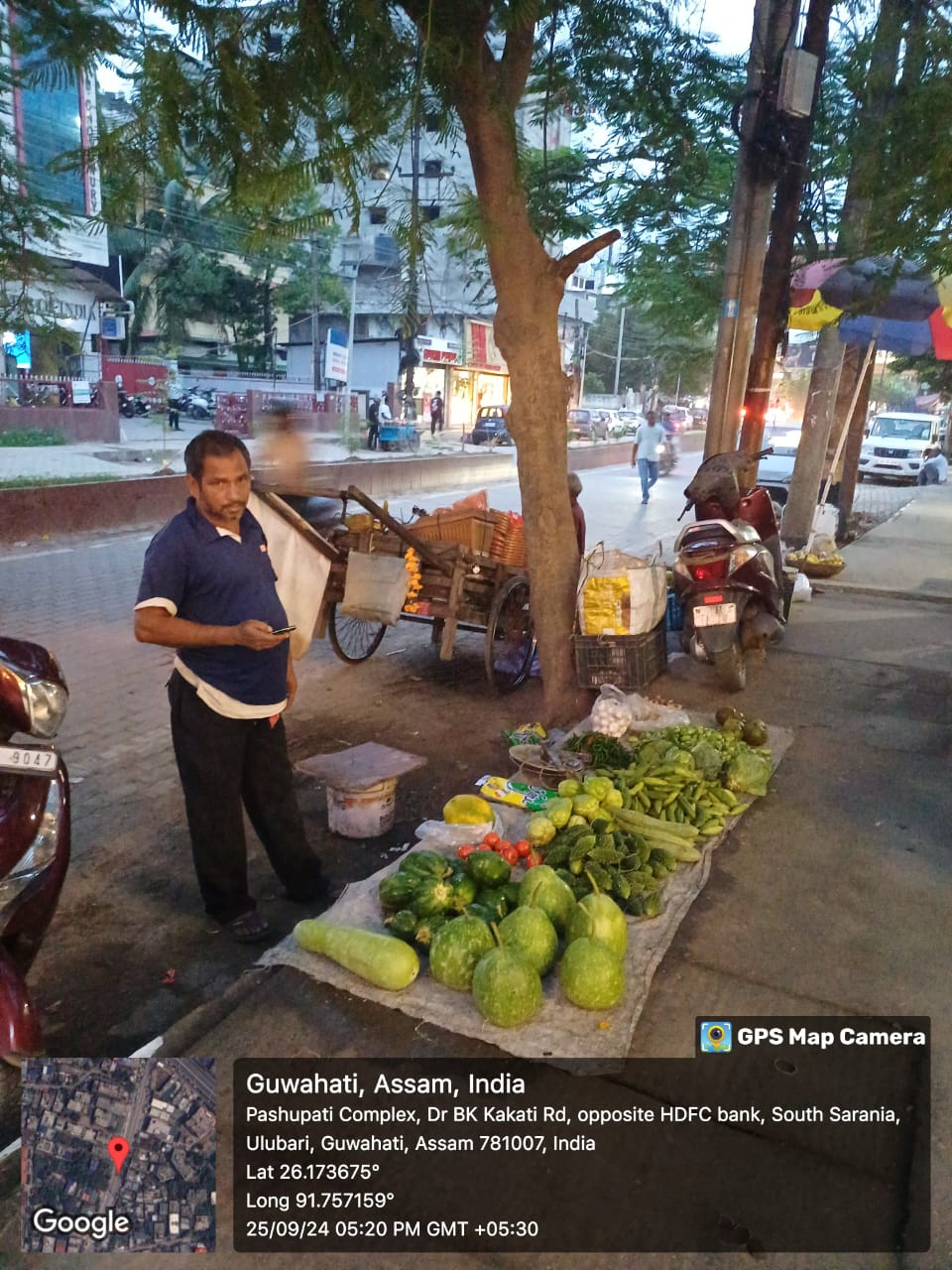
- Environmental Displacement: While the Delhi Parks and Gardens Society maintained 1,564 parks in 2026, the creation of these “green zones” often involves the removal of informal markets, directly impacting the Vendor Revolution and local micro-economies.
- The Fiscal Squeeze: State-specific pro-poor initiatives, such as subsidized meal programs, are being cut as central tax transfers fail to keep pace with the high cost of maintaining a megacity.
- Real Estate Vacuum: Despite the “beautification” of the Central Vista and elite zones, the demand for high-end retail is slowing because the “base” of the economic pyramid—the service class—is no longer present to circulate wealth.